Testosterone Support Through Food Choices
Explore evidence-based nutrition strategies and dietary approaches to naturally support healthy testosterone levels through informed food choices.
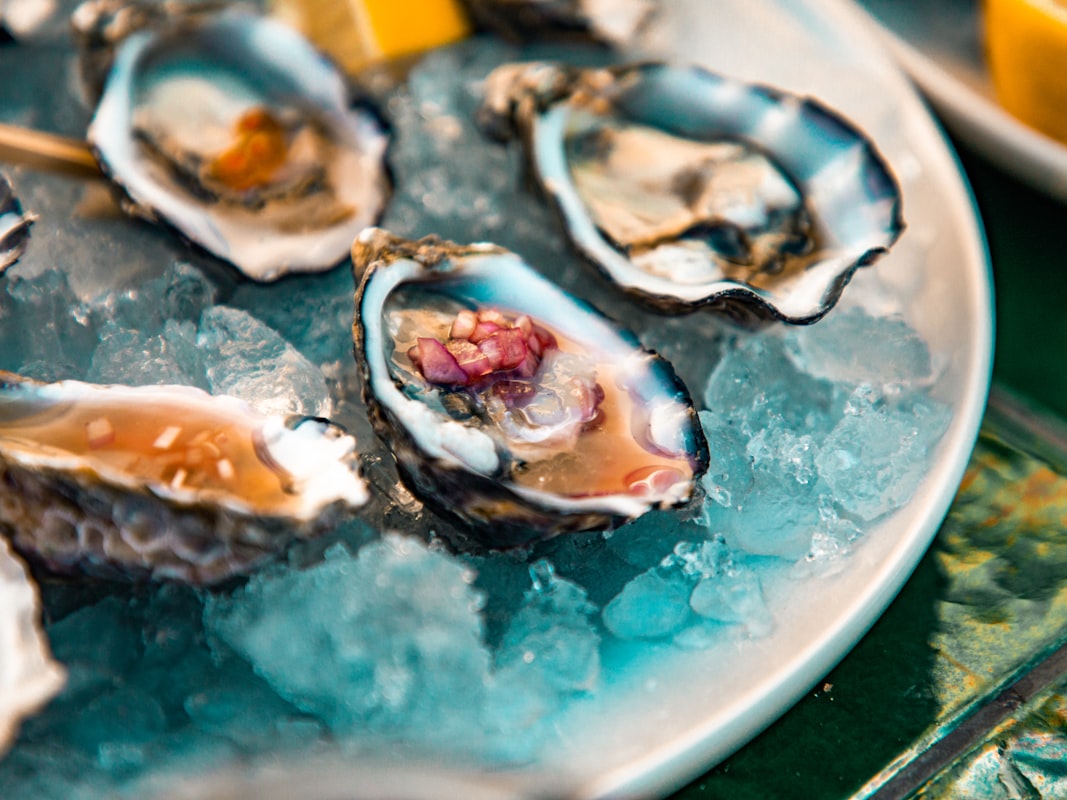
The Role of Zinc in Natural Testosterone Production
Zinc is an essential mineral that plays a critical role in testosterone synthesis and male reproductive health. Learn how zinc deficiency impacts hormone levels and which everyday foods provide bioavailable sources of this vital nutrient.
Read more →
Cruciferous Vegetables: Estrogen Metabolism and Male Health
Broccoli, cabbage, and Brussels sprouts contain compounds that support healthy estrogen metabolism in males. This article explores the science behind indoles and sulforaphane, and how incorporating these vegetables can contribute to hormonal balance.
Read more →
Omega-3 Fatty Acids: Supporting Cardiovascular and Hormonal Health
Fatty fish like salmon and sardines provide omega-3 fatty acids essential for cardiovascular function and hormone production. Discover how these polyunsaturated fats influence inflammatory pathways and testosterone availability in the bloodstream.
Read more →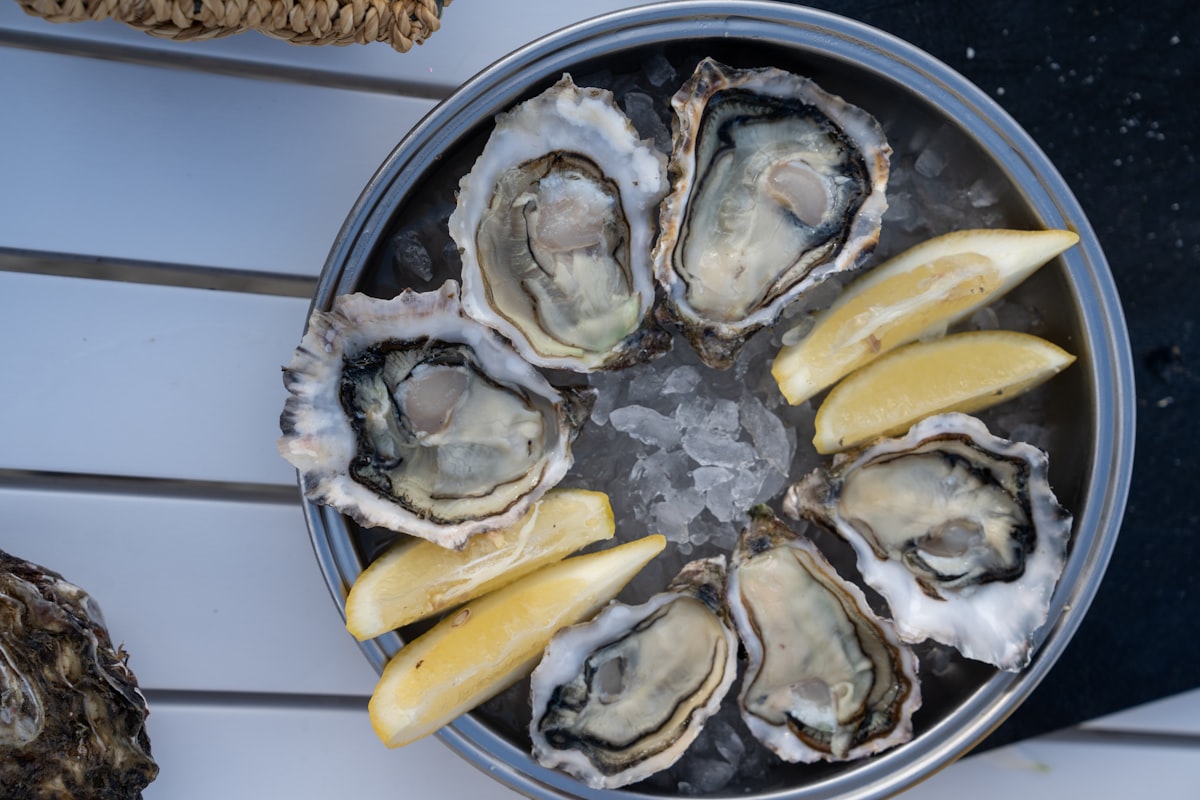
Magnesium: The Overlooked Mineral for Testosterone and Sleep Quality
Magnesium influences testosterone production and sleep architecture, both critical for hormonal health. Learn which nutrient-dense foods provide optimal magnesium content and how deficiency may impact your nutritional status.
Read more →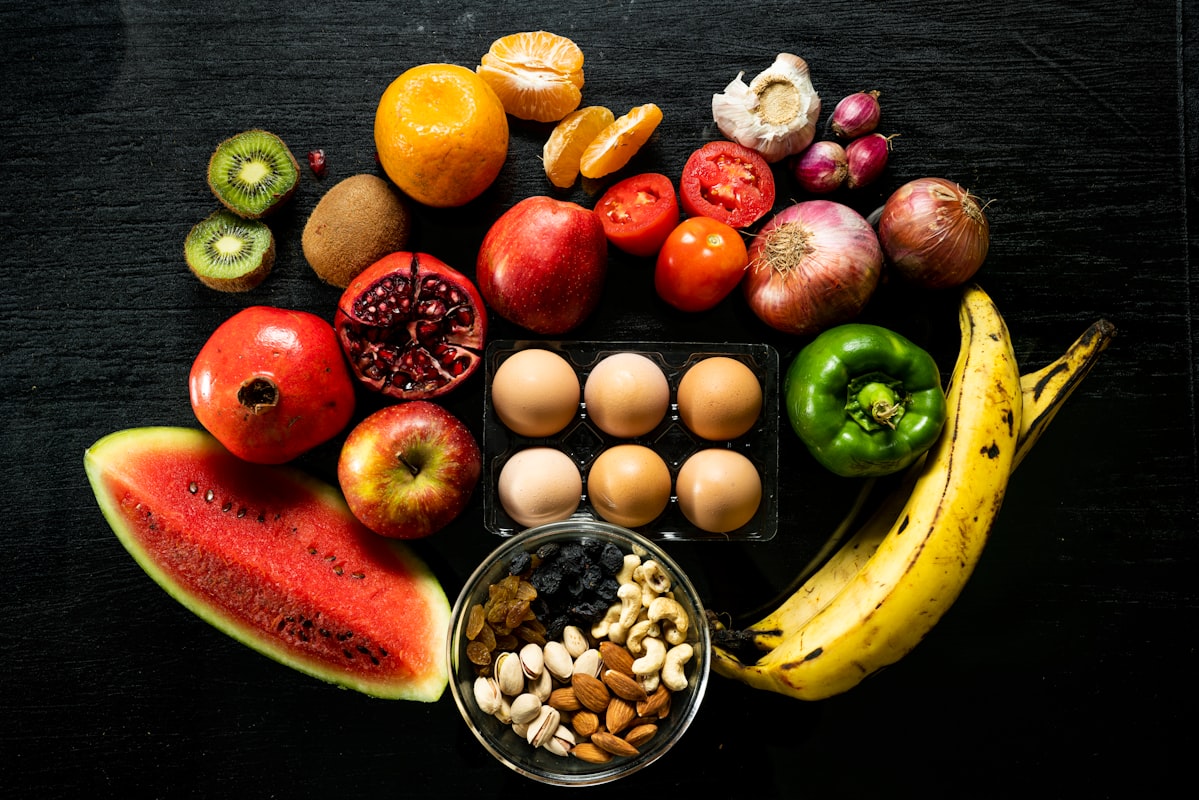
Complex Carbohydrates and Hormonal Stability Throughout the Day
Whole grains, legumes, and starchy vegetables provide sustained energy and micronutrients that support hormonal balance. Explore how carbohydrate timing and quality influence cortisol patterns and testosterone metabolism.
Read more →
Antioxidant-Rich Foods: Protecting Cellular Health and Hormone Function
Berries, dark leafy greens, and colorful vegetables contain polyphenols that protect hormone-producing cells from oxidative damage. Understand how antioxidant intake relates to testosterone availability and overall endocrine resilience.
Read more →The information on this site is for educational purposes only and does not constitute medical advice. Always consult a qualified healthcare professional before making health decisions.
Stay Updated with Evidence-Based Nutrition Content
Subscribe to receive the latest articles on nutrition science, testosterone support, and healthy lifestyle strategies delivered to your inbox.
We respect your privacy. Unsubscribe anytime.
Nutrition Tips & Guides
Explore detailed nutrition guidelines, food pairing strategies, and practical meal planning approaches designed to support your dietary goals.
Browse nutrition guidesFood Selection Guide
Discover comprehensive information about selecting, preparing, and storing foods that support your nutritional needs and health objectives.
View food guideFrequently Asked Questions About Nutrition and Testosterone Support
Zinc is essential for testosterone synthesis, immune function, and protein metabolism. Excellent dietary sources include oysters, beef, pumpkin seeds, cashews, chickpeas, and fortified cereals. Zinc deficiency has been associated with reduced testosterone production and impaired reproductive function. Adult males require approximately 11 milligrams of zinc daily. Bioavailability varies by source, with animal-based zinc being more readily absorbed than plant-based forms. Consuming zinc-rich foods alongside vitamin C can enhance absorption.
Continue Learning About Nutrition and Lifestyle
Explore our comprehensive resource collection for more evidence-based information, nutritional science, and practical guidance on supporting your health through informed dietary choices.